
How to Save Workouts from TikTok (So You Actually Do Them)
TikTok favourites are where workouts go to die. Here's a step-by-step system for saving TikTok workouts as real, followable routines.
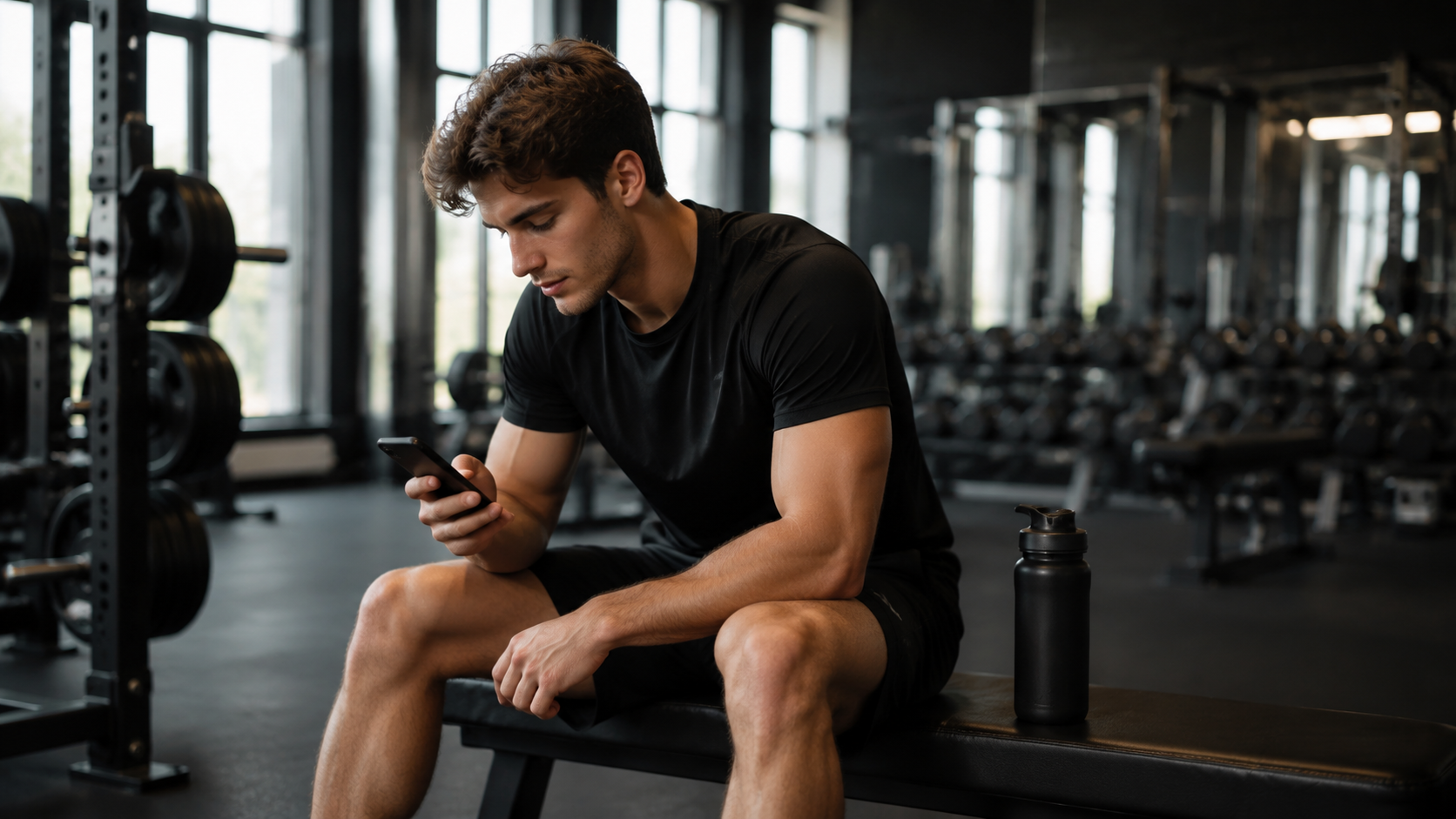
You know the moment. You’re scrolling TikTok at 11pm, a trainer walks through a genuinely good dumbbell session, and you tap the bookmark. Future you will do this workout. Future you will not. Future you will be at the gym three days later, scrolling through two hundred favourited videos — recipes, dogs, one (1) workout — while their rest timer hits four minutes.
TikTok favourites are where workouts go to die. Not because the workouts are bad, but because a bookmarked video isn’t a usable format for training: you can’t see the whole routine at a glance, you can’t log sets against it, and TikTok’s search within favourites is barely a search. This guide covers every way to save workouts from TikTok — from the built-in options to a proper system — and how to end up with routines you actually follow.
Option 1: TikTok’s built-in Favorites (and why it fails)
Tap the bookmark icon on any video and it lands in your Favorites, which you’ll find on your profile. You can create collections inside Favorites — so a “Workouts” collection is a real improvement over the default pile. To do it: open a favourited video, tap the bookmark again, and choose Manage → Add to collection.
Do this at minimum. But know its limits, because they’re structural:
- A video isn’t a routine. To know what set 3 of exercise 4 is, you re-watch the video. Every session. With gym Wi-Fi.
- No logging. You can’t record what weight you used or whether you beat last week. Progress lives in your head, which means it doesn’t.
- The scroll trap. Opening TikTok “just to check the workout” costs you twenty minutes of feed. You know this.
- Videos disappear. Creators delete videos, get banned, or go private — and your programme goes with them.
Option 2: Screenshots and the Notes app
The classic upgrade: screenshot the workout summary (many creators put the full routine on the final frame), or type the exercises into Apple Notes. It solves the scroll trap and works offline. It creates two new problems: your camera roll becomes a second junk drawer, and you’ve still got nothing you can log sets against. It also falls apart the moment a video doesn’t show the full routine on screen — which is most of them, because creators want you to watch to the end.
Option 3: Save the workout, not the video
The real fix is to change what you’re saving. You don’t want the video — you want the workout inside it: the exercise list, sets, reps, rest, and which muscles it hits. That’s what a workout saver app does. With Prept the flow looks like this:
- Share the video to Prept. On the TikTok video, tap Share → Prept (or copy the link and paste it into the app). This works with TikTok, Instagram, YouTube and more.
- Prept reads the video. It watches the video and the caption for you and writes out the full routine — every exercise with its sets, reps and timing, plus the muscle groups each movement works.
- Review and tweak. You see the extracted workout before saving. Trainer said 8–12 reps but you're running 5s? Change it. The video stays attached for form checks.
- File it into a collection. Push day, home dumbbell, 20-minute sessions — whatever structure fits how you train. Your library is searchable, so “that shoulder workout from months ago” takes three seconds to find.
- Plan and train. Drop workouts onto the days of your week, then follow along at the gym logging reps, weight and time per set. Sessions land on a calendar with a body map of the muscles you worked.
The difference in practice: at the gym you open one app, see today’s workout as a clean list, and train. No feed, no re-watching, no “what was next again?”.
A simple system that sticks
Whatever tool you use, the people who actually do their saved workouts tend to run some version of this:
- Save in the moment, sort within the day. Bookmark freely while scrolling, but move anything worth keeping into your organised library the same day. If it’s not worth 30 seconds of sorting, it wasn’t worth saving.
- Cap your library. You need 10–20 good workouts, not 300. Delete duplicates and “maybe someday” saves ruthlessly.
- Assign days, not vibes. A workout in a library is a maybe; a workout on Thursday is a plan. Schedule your week every Sunday — it takes two minutes.
- Log something. Even just the weights. The single biggest difference between people who progress and people who repeat the same workout forever is a record of last time.
Frequently asked questions
Can I save TikTok workouts without downloading the video?
Yes — and you generally shouldn’t download videos anyway (many creators disable it, and downloads bury the workout in your camera roll). Apps like Prept work from the share sheet or the link and extract the routine itself; the original video stays linked for watching form.
What if the workout is only shown in the video, not the caption?
That’s the normal case, and it’s exactly what extraction is for — Prept reads the video content, not just the caption text, and writes out the exercises with sets and reps. You review the result before saving, so mistakes don’t slip into your library.
Does this work for Instagram and YouTube too?
Yes. The same share-to-Prept flow works from Instagram Reels, YouTube, Facebook, Pinterest, Reddit, X and Threads — plus screenshots and PDFs. If you’re mainly an Instagram saver, we wrote a dedicated guide: how to save Instagram workouts.
More from the Prept blog
- Prept vs Hevy: Workout Video Saver or Dedicated Gym Logger?Hevy is a best-in-class set-and-rep logger. Prept starts from the workout videos you save. Here's how they actually compare, and when you might want both.
- Which Muscles Does That Exercise Actually Work? A Muscle Group Cheat SheetA practical rundown of which muscle groups the most common gym exercises train, and how to spot the muscles your current routine is quietly skipping.
- How to Build a Push/Pull/Legs Split From Workouts You've Already SavedYou don't need a new programme — you need a system for sorting your saved TikTok and Instagram workouts into a push/pull/legs split you'll actually run.